The History and Symbolism of National Flags
Ayr Rotary recently welcomed as their guest speaker, Douglas Brown, who presented on the subject of ‘Vexillology’. Douglas embraces a rich and varied life of interest and community involvement with many hobbies, including of course, Vexillology. So what is Vexillology? It is dedicated to the fascinating world of the study of flags, pennants, and banners. Derived from the Latin word vexillum (flag) and the Greek logos (knowledge), this term literally means “knowledge of flags.” Which was the title of Douglas’s talk; ‘The History and Symbolism of National Flags’
He took his audience on a whirlwind tour of country flags from the obscure Mozambique bearing AK 47 guns to the uninspiring original Libya flag of plane green.
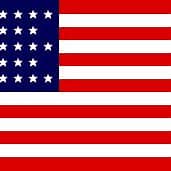
He said the American flag has evolved significantly since its inception in 1777, reflecting the nation’s growth and changes in its states and values. Before the official flag, the Grand Union flag was flown which included the British Union Jack and thirteen stripes. This flag symbolises the colonies’ loyalty to the British Crown, while asserting their rights. Flag Act of 1818 established that the flag would have thirteen stripes and a star for each state, ensuring that the design would remain consistant as new states joined.
Douglas, a Partick Thistle season ticket holder, a member of the Tony Hancock Society, Troon Bridge Club, the Cunninghame Ramblers Association and University of the Third Age, began his career as a Maths Teacher at Queens Park Secondary School in Glasgow, where he quickly established himself as a dedicated educator, continuing his vocation at Stranraer Academy with his commitment to excellence and encouragement to pupils in the southwest of Scotland.
Walter Walsh gave a worth vote of thanks.